• Advanced training
  • Search
  • The first thousand days
  • Associazione
Fondazione CiaoLapo ETS
ricerca e alta formazione per la salute perinatale
Category:

Search

In this section you can find research activities, scientific projects and theses for bachelor’s, master’s, doctoral or postgraduate degrees, curated and promoted by CiaoLapo ETS Foundation.
The LISTEN (Lactation Support afTer pEriNatal loss) Project:
SearchSearch

The results of the LISTEN study

by Fondazione CiaoLapo 23/12/2025
written by Fondazione CiaoLapo

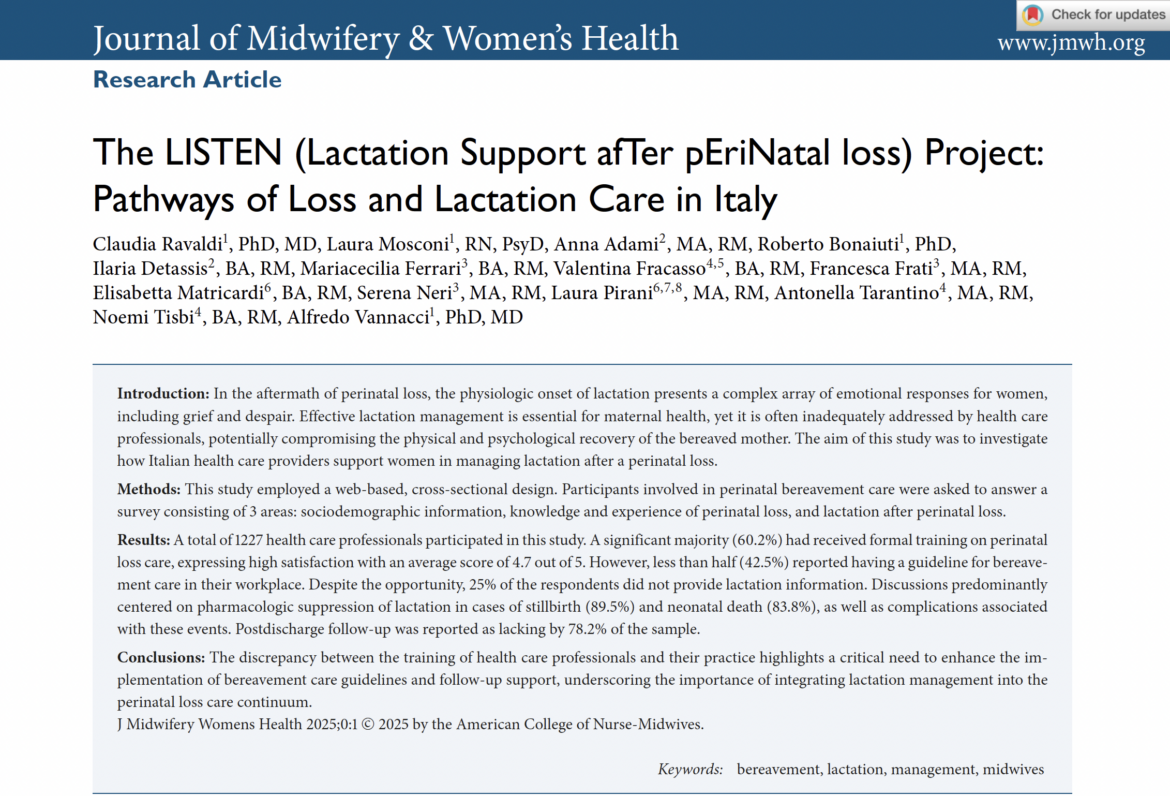
The LISTEN (Lactation Support afTer pEriNatal loss) study closed in December 2023 with the participation of 1227 health care providers involved in perinatal bereavement care, distributed throughout the country. The results were published on December 23, 2025 in the Journal of Midwifery & Women’s Health with the title. “The LISTEN (Lactation Support afTer pEriNatal loss) Project: Pathways of Loss and Lactation Care in Italy”, authored by Claudia Ravaldi, Laura Mosconi, Alfredo Vannacci and a group of colleagues from the Universities of Florence, Verona, Parma, Tor Vergata in Rome and Politecnica delle Marche, in collaboration with CiaoLapo Foundation.

This is the first Italian study specifically dedicated to the management of lactation after perinatal loss, a topic that, despite having important clinical, emotional and relational implications, has long remained on the margins of both guidelines and practitioner training. Indeed, the physiological onset of breastfeeding after the death of an expected or newly born child confronts the woman with suffering that is not only physical, and requires informed, respectful, and individualized care. The available options (pharmacological suppression, physiological suppression, milk donation) have different meanings and implications, and the choice should always arise from a process of shared decision making, based on complete and timely information.

The champion

The sample is overwhelmingly composed of women (97.5 percent) and midwives (76.8 percent), followed by nurses (12.8 percent), physicians (6.6 percent), psychologists (1.6 percent) and other professionals. About half of the providers (51.4 percent) have less than 10 years of experience, and 80.2 percent work in public hospitals, mainly in delivery rooms and maternity wards. More than half of the sample has directly witnessed cases of endouterine death (69.7%) or neonatal death (53.1%).

Training and guidelines: a first paradox

A first finding from reading the results is the discrepancy between the training received and the organization of the departments. 60.2% of providers have attended specific training on perinatal bereavement, and rated its usefulness very highly (4.7 out of 5). However, only 42.5 percent report having a formalized guideline for perinatal bereavement care in their workplace, and only 31.5 percent report the existence of a structured psychological support course for parents. Of those who indicate the presence of a guideline, 33.3 percent do not know exactly how long it has been in place. The perceived usefulness of a guideline, in the words of respondents, is very high (4.8 out of 5): the problem, therefore, is not the willingness of practitioners to apply it, but the widespread absence of an institutional framework.

The management of perinatal bereavement is described as emotionally very strenuous in both scenarios studied (7.7 out of 10 for endouterine death, 7.8 out of 10 for neonatal death), while the clinical difficulty is slightly greater in cases of neonatal death than in utero death (5.3 vs. 4.9). Practitioners who have undergone specific training report slightly less emotional distress, a finding in line with what has already been observed in the CLASS, BLOSSoM and STRONG studies, which have shown the protective role of training with respect to burnout and post-traumatic symptoms.


Lactation after a loss: an area still opaque

The core of the LISTEN study concerns lactation management after loss. Practitioners attribute a modest level of training on lactation suppression techniques to themselves (average 2.7 out of 5). About a quarter of the sample reports that they did not provide any information on lactation management even though they had the opportunity to do so: some did not know what to say, some had never thought about the topic, and a significant proportion (9.6 percent in cases of endouterine death and 8.4 percent in cases of neonatal death, for a total of 78 practitioners) do not consider lactation counseling as part of their professional responsibilities. The latter position is more frequent among physicians (13.6 percent) and psychologists (10.0 percent) and less frequent among nurses (7.6 percent) and midwives (5.6 percent).

On the choice of the most appropriate time to talk about lactation, 64.7 percent of practitioners believe it is correct to do so within 24 hours of delivery, 12.2 percent before delivery, 10.4 percent immediately after, while 7.8 percent address the topic only if the woman asks for it. Instead, international guidelines recommend that the information be offered at the time of diagnosis to ensure that the woman has time to make an informed choice.

As for the type of information provided, the clearest finding is the absolute prevalence of pharmacological suppression: it is discussed in 89.5 percent of cases of endouterine death and 83.8 percent of cases of neonatal death. Complications (engorgement, mastitis, milk loss) are addressed by about 62% of respondents. Milk donation, on the other hand, is proposed by only 21.8% of providers after an endouterine death and 25.4% after a neonatal death, a very low proportion considering that Italy is the European country with the largest number of donated human milk banks. The gap between the availability of resources and the actual provision of information to families suggests that the critical issue is cultural and educational, not logistical.

On the effectiveness of different lactation management strategies,manual expression is the one considered most useful by respondents, while compression bandages are judged to be ineffective, consistent with the international literature, which does not recognize evidence to support nonpharmacological interventions when compared with nonintervention. Pharmacological therapy remains, to date, the only evidence-based approach to be offered along with the possibility of milk donation according to a shared choice model.

Written information to be delivered to the woman at discharge is almost absent: only 15.8% of operators report that they deliver dedicated information material, although they consider it useful. Finally, post-discharge follow-up is described as lacking by 78.2 percent of the sample: only 21.8 percent of operators report the existence of a structured follow-up pathway, and only 28.1 percent know of a dedicated outpatient service in their area.


The voices of the operators

The study also included a qualitative analysis of open-ended questions, which were answered by 76.2 percent of the sample. Recurring themes emerged from the responses, with which CiaoLapo operators are familiar from their daily experience: the centrality of communication, the difficulty of finding words, the need for empathy while maintaining a professional boundary, the sharing of grief, the sense of helplessness, bureaucratic obstacles and, specifically in cases of endouterine death, silence as a symbol of absence and the social taboo that still surrounds these events. Many practitioners report, in responding to the questionnaire, that they are reflecting for the first time in a structured way on lactation after loss, and they ask for protocols, continuing education and psychological support for themselves.


What LISTEN tells us, and where our work is going

LISTEN’s results confirm some of the hypotheses that have guided the Foundation’s work for years, and add new ones.

The first element is that specific training works: where it is there, emotional difficulties are alleviated and the quality of care reported increases. The second is that training alone is not enough: without formalized workplace guidelines, and without structured pathways for psychological support and follow-up, even the best-trained providers operate in clinical solitude. The publication in February 2023 of the National Recommendations on the Management of Fetal Endouterine Death, to whose drafting the Foundation contributed, is a first step in this direction, but the document, as the authors themselves acknowledge, devotes limited attention to lactation management: the LISTEN data suggest that this gap needs to be filled.

The third element concerns milk donation. The gap between the Italian network of donated human milk banks and the actual proposal of this option to bereaved women indicates that there is a wide educational and cultural space, on which the Foundation intends to work in the coming years in continuity with its research and training activities, including through the PeaRL Laboratory at the University of Florence.

Finally, the fourth element is the one that respondents themselves expressed most clearly: continuity of care, from diagnosis to territorial follow-up, cannot be considered an optional addition. It is a constitutive part of respectful care, and its absence is today, in Italy, one of the most urgent issues to be addressed.
23/12/2025 0 comments
0 FacebookTwitterPinterestEmail
SearchSearch

The UNSURENESS study.

by Fondazione CiaoLapo 14/08/2025
written by Fondazione CiaoLapo

A pregnancy following a perinatal death is never “just another pregnancy.” It is a complex journey in which intense emotions – grief, fear, hope – and specific clinical needs are intertwined. Caring for these pregnancies requires attention, continuity, technical expertise and communication sensitivity.

Our new study, UNSURENESS (sUpportiNg subSeqUent pREgnaNcy after pErinatal loSS), published in Journal of Clinical Medicine, investigates how Italian health care providers deal with this challenge.


Why this study

Every year, hundreds of families in Italy experience a perinatal death. More than half undertake a new pregnancy within a year. In this context, the role of health professionals is crucial: accompanying parents means not only providing clinical oversight, but also recognizing and welcoming grief, building trust, fostering shared decision-making, and supporting psychological well-being.

Despite the existence of recommendations from scientific societies, Italy lacks binding national guidelines and structured pathways. The UNSURENESS Study was created to take a snapshot of the current situation and identify the main training and organizational needs.


How it was conducted

We conducted a national online survey (August 2023-February 2024) targeting health care providers dealing with pregnancy following perinatal bereavement.
Two hundred female professionals, mostly midwives, from all over Italy participated. The questionnaire explored professional experience, training received, communication approaches, and clinical management criteria.


What we found

  • Insufficient training: only one-third of the participants had received specific training on how to assist these pregnancies.
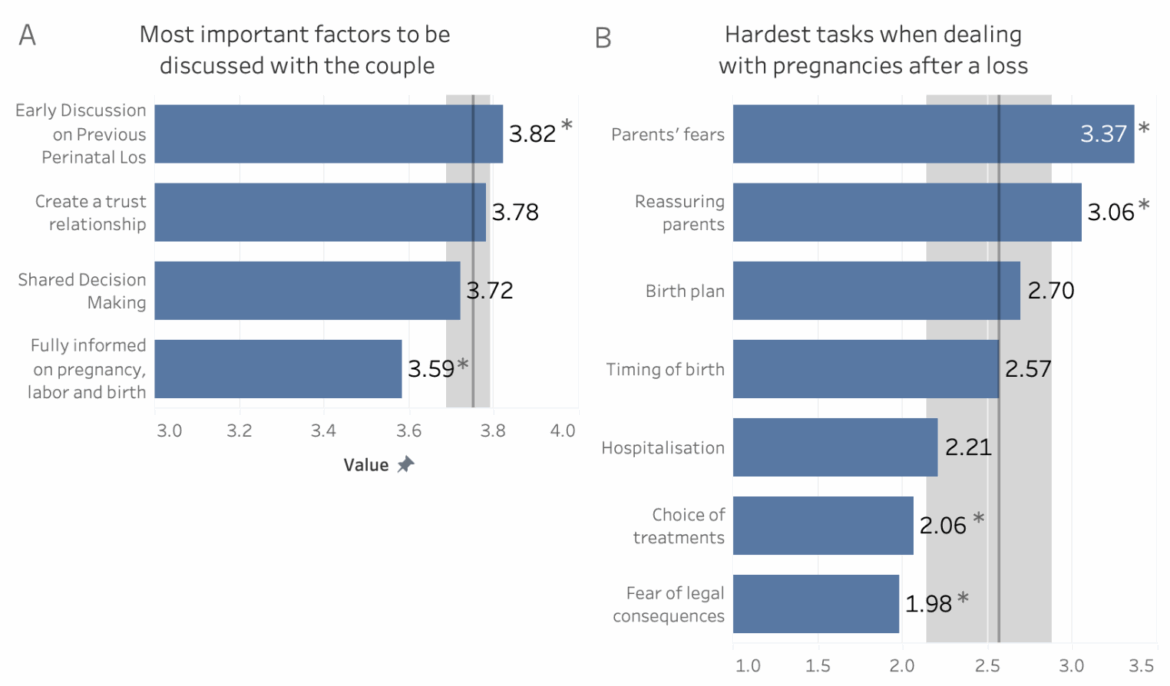
  • Priority aspects: addressing previous loss with parents, establishing a trusting relationship, sharing clinical decisions, and providing complete information.
  • Major challenges: managing parents’ fears and offering appropriate reassurance.
  • Decision criteria: continuity of care and respect for parental preferences were found to be more influential than guidelines or scientific evidence.
  • Multidisciplinary collaboration: widespread, but with still uneven integration of psychological support into care pathways.

Why it is important

It is clear from our survey that there is a need:

  • Structured, trauma-informed training for all professionals involved;
  • National guidelines to ensure uniformity and quality of care;
  • Stable integration of psychological support in all care settings;
  • Continuity of care pathways that accompany the family from pre-conception to postpartum.

Investing in these areas means reducing the risk of new trauma, improving the caregiving experience, and contributing to the long-term well-being of parents and children.


📄 Read the full article (Open Access): Management of Subsequent Pregnancy After Perinatal Death: Results from the UNSURENESS Study

14/08/2025 0 comments
0 FacebookTwitterPinterestEmail
SearchSearch

Validation of the RIMS-IT scale.

by Fondazione CiaoLapo 16/03/2025
written by Fondazione CiaoLapo

Coping with pregnancy loss is an emotionally complex and often underestimated experience. Women who experience it may develop anxiety, depression, post-traumatic stress symptoms, and complicated grief. However, until now, there has been no specific instrument in Italy to accurately assess the psychological experience of this experience.

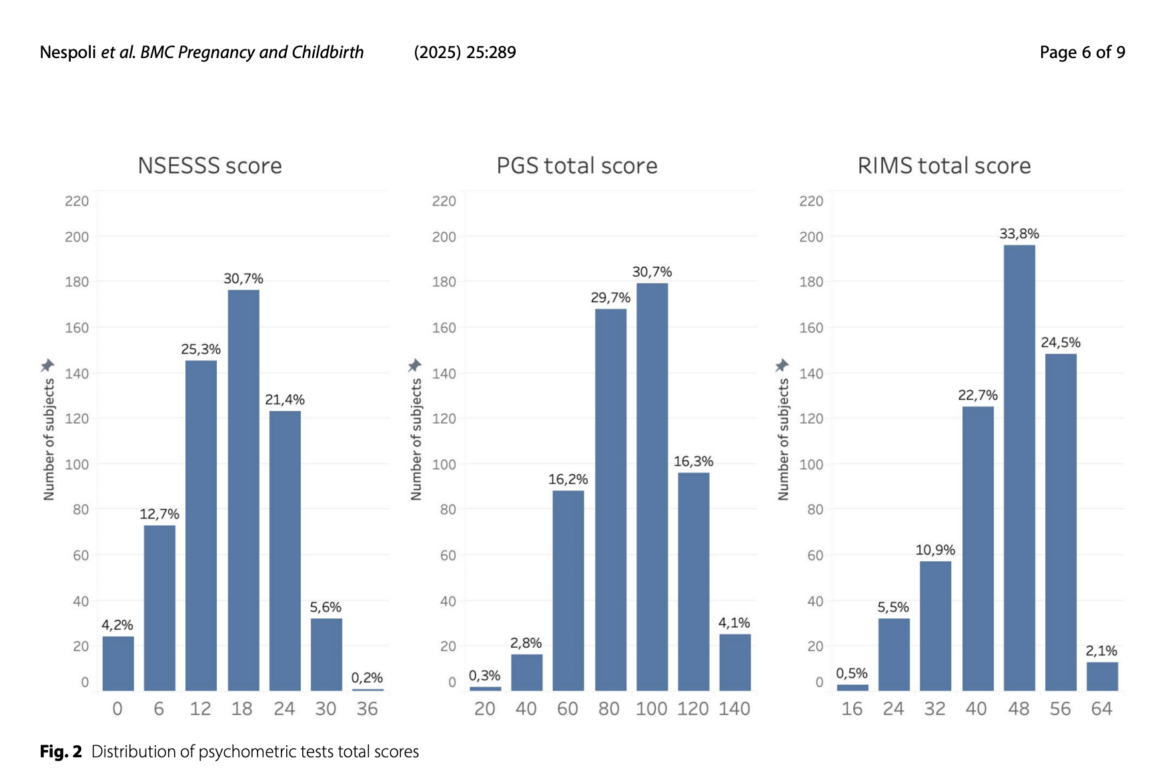
Our new study, a collaboration between the University of Milano-Bicocca, the CiaoLapo ETS Foundation and the PeaRL Laboratory of the University of Florence, has led to the Italian validation of the Revised Impact of Miscarriage Scale (RIMS-IT), an instrument that will enable clinicians and researchers to identify early women at risk of developing psychological complications after pregnancy loss. The study has just been published in BMC Pregnancy and Childbirth.

A specific tool for often invisible suffering

Many current instruments assess perinatal grief in a general sense, but not all women perceive pregnancy loss as traditional grief. Some experience a strong sense of guilt or isolation; others suffer in silence because of the lack of social recognition of their grief. The RIMS-IT allows these nuances to be analyzed through three key dimensions:

  1. Isolation and guilt: how much a woman feels alone in her grief and how much she blames herself for the loss.
  2. Child loss: the intensity of the sense of grief and emotional emptiness.
  3. Devastating event: the perception of loss as a profound and destabilizing trauma.

We validated the RIMS-IT on 543 Italian women who had experienced pregnancy loss in the past 36 months and confirmed its reliability and validity.

What did we find?

  • Sixty-one percent of women reported a significant psychological impact, with symptoms of stress and anxiety particularly high in women with repeat abortions.
  • Guilt and social isolation emerged as key factors of distress, confirming that many women feel misunderstood and deprived of support.
  • ⚠️ Current bereavement rating scales may not be sufficient to capture the specific psychological distress of women experiencing pregnancy loss.

An aid for clinicians and researchers

RIMS-IT represents a step forward for perinatal mental health, providing a new tool for gynecologists, midwives, psychologists and researchers:

✅ Early identification of women at risk of developing psychological complications.
✅ Personalize psychological support pathways, preventing suffering from remaining undetected.
✅ Improve research on maternal mental health by integrating more specific and detailed data.

Conclusions

The validation of the Revised Impact of Miscarriage Scale (RIMS-IT) in Italy is an important step in improving recognition and support for women facing pregnancy loss. Our study confirmed thereliability and psychometric validity of the instrument, even in Italian women, with high internal consistency(Cronbach’s alpha = 0.89) and a factorial structure reflecting that of the original version.

The RIMS-IT showed strong correlation with other scales assessing grief and post-traumatic stress, such as the Perinatal Grief Scale (PGS) and the National Stressful Events PTSD Short Scale (NSESSS), showing its specificity in measuring post-abortion psychological distress.

These results suggest that RIMS-IT can be a valuable tool for clinical and research, allowing early identification of women at risk and improving psychological care after pregnancy loss. Further studies may extend its applicability to other contexts, including the assessment of paternal experience, which has yet to be explored.

If you would like to learn more about our study, find the full article here:

Nespoli, A., Fumagalli, S., Mosconi, L., Bonaiuti, R., Vannacci, A., Ravaldi, C., Assessment of the psychometric properties of the Italian version of the revised impact of miscarriage scale (RIMS): a validity and reliability study. BMC Pregnancy Childbirth 25, 289 (2025). https://doi.org/10.1186/s12884-025-07422-5

16/03/2025 0 comments
0 FacebookTwitterPinterestEmail
Search

Recommendations on the management of fetal endouterine death

by Fondazione CiaoLapo 30/04/2023
written by Fondazione CiaoLapo

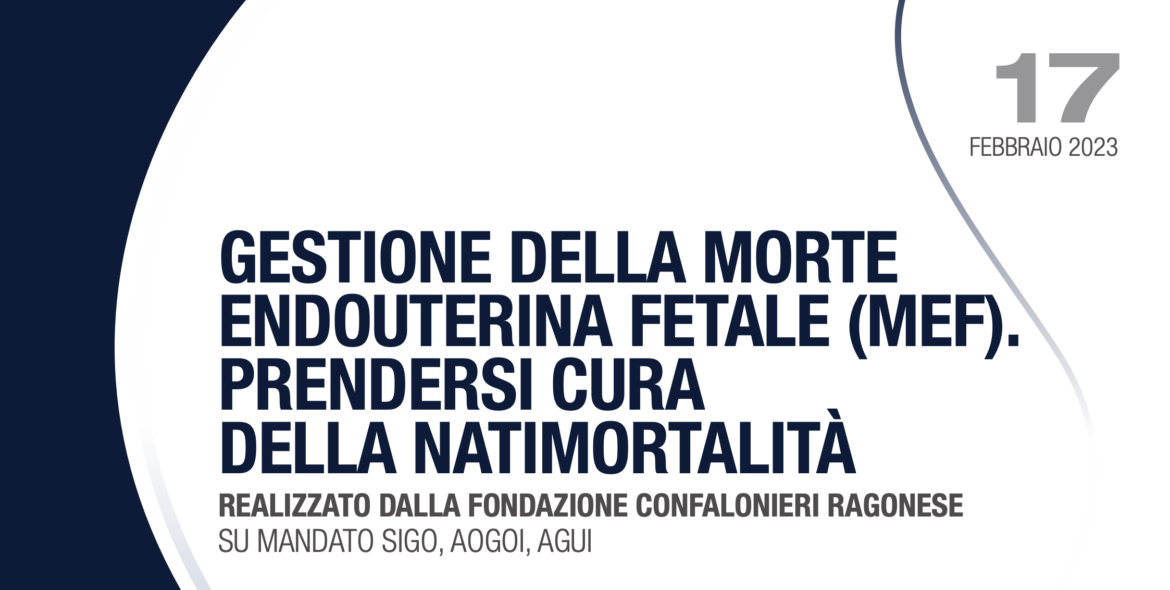
On February 7, 2023, the Recommendations on the Management of Fetal Endouterine Death (FEM) were published, a document that has been awaited for many years and is destined to become the Italian reference for professionals assisting women, couples and families affected by in utero death. The document, titled “Management of Endouterine Fetal Death (MEF). Taking care of stillbirth,” was drafted by the Confalonieri Ragonese Foundation on behalf of the three main scientific societies of Italian gynecology, SIGO, AOGOI and AGUI, and brings together in 132 pages the first organic body of national guidance on the topic, built on the adaptation of the main international guidelines (Queensland, PSANZ, SOGC, ACOG-SMFM) to the care, regulatory and cultural context of our country.

For our Foundation, this is particularly important news, not only because of the importance of the document itself, but because CiaoLapo took part in the drafting of the text: Prof. Alfredo Vannacci, vice president of the Foundation and head of the PeaRL Joint Perinatal Research Laboratory at the University of Florence, was among the document’s drafters, in a multidisciplinary working group of more than forty Italian professionals including gynecologists, obstetricians, neonatologists, anatomopathologists, epidemiologists and clinical psychologists.


Why these recommendations were necessary

Stillbirth is one of the most relevant health indicators of a population, and it is one of the most common adverse outcomes of pregnancy: it occurs in about 1 in every 200-300 deliveries in industrialized countries, with an Italian prevalence estimated at around 3-4 cases per 1000 births. It is an event whose frequency is often underestimated, but whose impact, emotionally and psychotraumatologically, is devastating for the couples and health care providers involved.

Despite the magnitude of the phenomenon, Italy has been in a paradoxical position to date: The Lancet ‘s latest series on stillbirth, Ending preventable stillbirths, conducted in 2016 with the participation of Claudia Ravaldi and Alfredo Vannacci of CiaoLapo, had in fact documented that our country was unable to provide information on causes of death in more than 50 percent of late stillbirths (after 28 weeks). The lack of uniform protocols for the evaluation and classification of stillbirths, coupled with the poor performance of key investigations (primarily autopsy and histological examination of the placenta), has long limited the possibility of understanding, and thus preventing, these events. The publication of shared National Recommendations is therefore, first and foremost, an act of responsibility to families and to the system of care.


The key points of the document

The Recommendations are divided into ten chapters covering the entire care pathway, from diagnosis to follow-up, and are accompanied by an operational summary summarizing their essential contents. We report here the passages that we consider most significant, with particular attention to aspects that intersect the work of our Foundation.

  • Definition and registration. The document adopts the WHO international definition, considering as stillbirth any infant of gestational age ≥ 22 weeks diagnosed antepartum, or with Apgar 0 at first and 20th minute if dead intrapartum. All cases so defined must be recorded in the CedAP stream in order to build reliable national surveillance.
  • Diagnosis and communication. The diagnosis of antepartum stillbirth requires urgent ultrasound evaluation performed by a specialist in gynecology and obstetrics, possibly in the presence of a supportive colleague. Communication of death is considered an integral part of the care process: it must be individualized, conducted in clear and understandable language, avoiding information overload and giving space for silence. Health care organizations are responsible for taking charge of training providers in communication, and cultural mediation must be provided for migrant women.
  • Welcoming the woman and the couple. The communication of fetal death should take place in a confidential and quiet environment, with time for understanding, and in the presence, if the woman wishes, of a person of her choice. The woman should be accommodated in a preferably single room, not contiguous with the obstetrics or puerperium ward, and the possibility of psychological intake should be ensured with aproactive offer, also extended to the health care professionals involved.
  • Childbirth care. The document recommends planning for vaginal delivery, reserving cesarean section for appropriate medical indications, and building a care pathway that includes dedicated midwife, place care (protected and isolated room, respect for intimacy) and pain support from the latent stage. Pharmacological analgesia should be provided with multimodal approach, while pharmacological sedation is not indicated. Particular attention is paid to theinhibition of breastfeeding or facilitation of milk donation, to be agreed promptly with the woman, and to the time of meeting with the baby, recognized as a fundamental moment in the grieving process.
  • Diagnostic investigations. The document stresses the importance of routinely conducting the investigations necessary to understand causal factors, establishing a dedicated stillbirth medical record to be attached to the maternal record, and considering theautopsy as a key part of the diagnostic pathway: it is up to clinicians to make the parents understand its usefulness, and they can make use of a trusted consultant.
  • Discharge, follow-up, and recurrence prevention. The discharge letter should include the case manager‘s reference, an appointment for continuity of psychological support, contacts of self-help groups in the area and online, and an appointment for the puerperium clinical visit. Memories of the baby collected during the hospitalization, including photographs, should be given to the parents or kept for their possible later request. Finally, subsequent pregnancy should be considered “at risk” and taken over by a specialist clinic or experienced professional.
  • Clinical audit. A multiprofessional audit is recommended for each case of endouterine death within 90 days, aimed at defining the causes and associated factors, providing elements for communication with parents, estimating the risk of recurrence, and analyzing the care process.


A shared reference, and a starting point

The publication of the Recommendations represents, from our point of view, an important achievement for several reasons. The first is of a cultural nature: for the first time in Italy, the scientific societies of gynecology and obstetrics organically recognize that stillbirth is not only a clinical problem, but a bio-psycho-social event that requires, alongside technical expertise, attention to communication, relationships, places and times of care. The second is operational in nature: the document offers professionals a shared working tool that integrates international evidence with the specificity of the Italian context and with experience gained in the field, particularly through regional surveillance and the SPItOSS system of the Istituto Superiore di Sanità.

The third reason, for us, is more particular in nature. For many years, the Association and the CiaoLapo Foundation have been working, through research, training and family support, to build a model of perinatal death care that is salutogenic, trauma-oriented and centered on the needs of parents and caregivers. To find in the National Recommendations many of the principles that have long guided our work, and to have contributed to their drafting, is both a confirmation of the validity of the path we have taken and an incentive to continue it.


The “Assisting Perinatal Death” notebook.

Near the release of the MEF Recommendations, the Foundation published the second expanded edition of “Assisting Perinatal Death – The Notebook,” by Claudia Ravaldi, published by CiaoLapo Editions. The workbook, designed as a working tool for professionals in the perinatal area, summarizes in ten chapters the care model developed by the Foundation: from diagnosis to communication, from bereavement to trauma, from hospitalization to respectful care, from bereavement care to meeting the child, and finally to memory collection and territorial follow-up. The preface, signed by Prof. Alfredo Vannacci, reminds us that training of professionals is associated with higher satisfaction of the bereaved, lower intensity of trauma-related symptoms, and lower levels of burnout among the professionals involved.

The two documents, the national text of the Recommendations and the CiaoLapo notebook, are designed to dialogue: the former as an institutional and clinical reference, the latter as an operational and training tool, built from listening to families and the experience of the departments that, for years, have been working alongside us in the Footprint registry.


Read more

  • The full text of the Recommendations “Management of fetal endouterine death (EFM). Taking care of stillbirth” is available on the website of the Confalonieri Ragonese Foundation and the scientific societies SIGO, AOGOI and AGUI.
  • Assisting Perinatal Death-The Notebook (2nd expanded edition, 2023), by Claudia Ravaldi, CiaoLapo Editions, ISBN 9788832242058, is available online and addressed to all perinatal health professionals.
  • To learn more about CiaoLapo’s model of care, you can participate in the course “Memory Box, Trauma Oriented Hospital Care in Perinatal Bereavement,” offered free of charge to perinatal area ward workers.
30/04/2023 0 comments
0 FacebookTwitterPinterestEmail
Search

BLOSSoM 2

by Fondazione CiaoLapo 22/09/2022
written by Fondazione CiaoLapo

After have investigated the impact psychological e the risk by burnout between the midwives Italian (studio BLOSSoM 1), the Foundation HiLapo has in-depth another question fundamental: how much they know really the midwives about the lines guidelines international for the management of death perinatal?

The according to studio of series BLOSSoM, published at 2022, has analyzed the answers by 445 midwives Italian at aspects fundamentals of mourning perinatal, revealing data which invite a one serious reflection.

What è emerged?

  • Only 1 midwife out of 3 has showed a knowledge adequate of the lines guidelines international.

  • The 78% do not know the ways natural of inhibition of lactation after the loss.

  • More than half not è correctly informed on the regulations Italian for the burial of children born dead.

  • About the 70% believes mistakenly which i movements fetal yes reduce in the latest weeks, an information which can jeopardize the prevention of death at uterus.

Four areas critical analyzed

  1. Bereavement care: little information at aspects important of mourning, as the syndrome of arms empty o the donation of milk.

  2. Management clinic: use high of sedatives e analgesics without a real involvement of the woman in the decisions.

  3. Procedures postdeath: poor knowledge of the autopsy e of the possibility of see the child also after examination.

  4. Movements fetal: knowledge inadequate that could hinder the prevention of death intrauterine.

What can we do?

The only factor associate a one good knowledge of lines guide è have attended courses specific on death perinatal. No more element – nor age, nor the years by work – has had I same impact.

A invitation to action

In Italy need lines guidelines national shared, courses training mandatory e updates continuous, especially in the regions of South, where the knowledge è averagely plus low e the incidence of leak è plus high.

📚 Read lo study full (open access)

22/09/2022 0 comments
0 FacebookTwitterPinterestEmail

Free donations

Chairwoman

Chairwoman

Claudia Ravaldi

La Fondazione CiaoLapo ETS è uno spinoff della Associazione APS CiaoLapo ETS fondata nel 2006 da Claudia Ravaldi e Alfredo Vannacci per il sostegno al lutto dei genitori.
La Fondazione CiaoLapo si occupa di ricerca e formazione nel settore della medicina perinatale, con particolare riferimento alle gravidanze a rischio ed alla perdita in gravidanza e dopo la nascita.

Tags

abortion (1) articles (1) assistance (1) perinatal bereavement (1) perinatal health (1) perinatal psychology (1) psychotraumatology (1)

Latest publications

The LISTEN (Lactation Support afTer pEriNatal loss) Project: Pathways of Loss and Lactation Care in Italy
23/12/2025
Cohort event monitoring of safety of COVID-19 vaccines: the Italian experience of the "ilmiovaccinoCOVID19 collaborating group"
22/09/2025
Management of Subsequent Pregnancy After Perinatal Death: Results from the UNSURENESS Study
28/08/2025
Small hands, big ideas: exploring nurturing care through Beatrice Alemagna's 'What is a Child?'
12/06/2025
Assessment of the psychometric properties of the Italian version of the revised impact of miscarriage scale (RIMS): a validity and reliability study
16/03/2025
Prevention, diagnosis and pharmacological treatment of infections in pregnancy: The mobile app GAIA! for healthcare providers and patients
08/06/2024
Are midwives trained to recognise perinatal depression symptoms? Results of MAMA (MAternal Mood Assessment) cross-sectional survey in Italy
02/02/2024
Data of the MAternal Mood Assessment (MAMA) survey for healthcare professionals: A pilot study on midwives in Italy
14/12/2023
The Emotional Landscape of Pregnancy and Postpartum during the COVID-19 Pandemic in Italy: A Mixed-Method Analysis Using Artificial Intelligence
14/10/2023
Ending preventable stillbirths and improving bereavement care: a scorecard for high- and upper-middle income countries
30/06/2023

Creative Commons

Licenza Creative Commons
I contenuti del sito della Fondazione CiaoLapo sono distribuiti con Licenza Creative Commons Attribuzione - Non commerciale - Non opere derivate 4.0 Internazionale.

Fondazione CiaoLapo ETS

Via degli Abatoni 11/11, 59100 Prato
email: fondazione@ciaolapo.it
pec: ciaolapo@pec.it
CF 92107650480
PIVA 02647720974
IBAN: IT79C0501802800000016943292
  • Facebook
  • Twitter
  • Instagram
  • Pinterest
  • Linkedin
  • Youtube
  • Email
  • Vimeo
  • Telegram

CiaoLapo utilizza il Font EasyReading® Carattere ad alta leggibilità per tutti


Back To Top

Fondazione CiaoLapo ETS
  • Advanced training
  • Search
  • The first thousand days
  • Associazione
  • English
  • Italiano (Italian)
Utilizziamo i cookie per essere sicuri che tu possa avere la migliore esperienza sul nostro sito. Se continui ad utilizzare questo sito noi assumiamo che tu ne sia felice.